Patrick Joseph omission sparks questions after strong BOG campaign as Fiji turn to MSG Cup

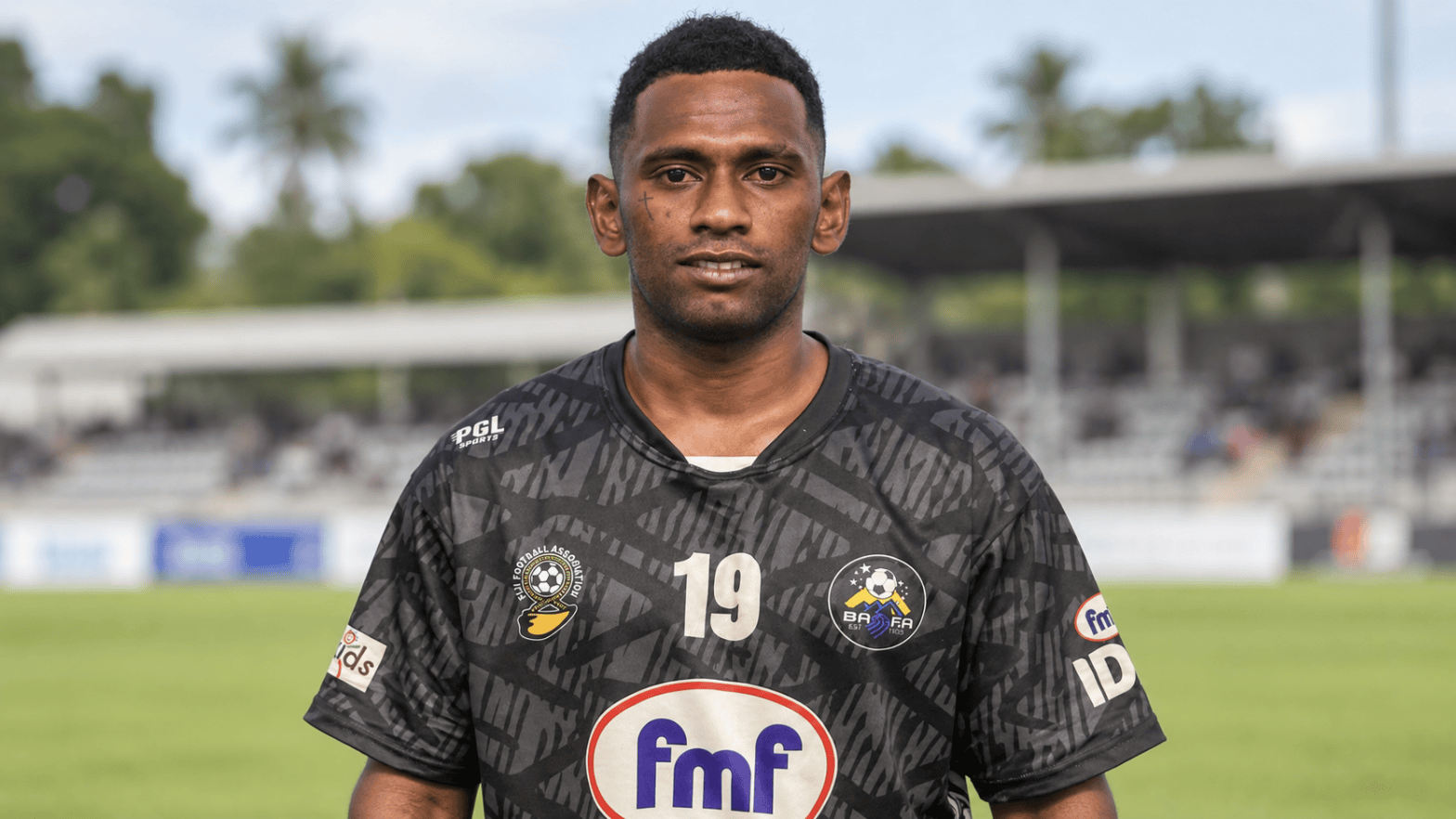
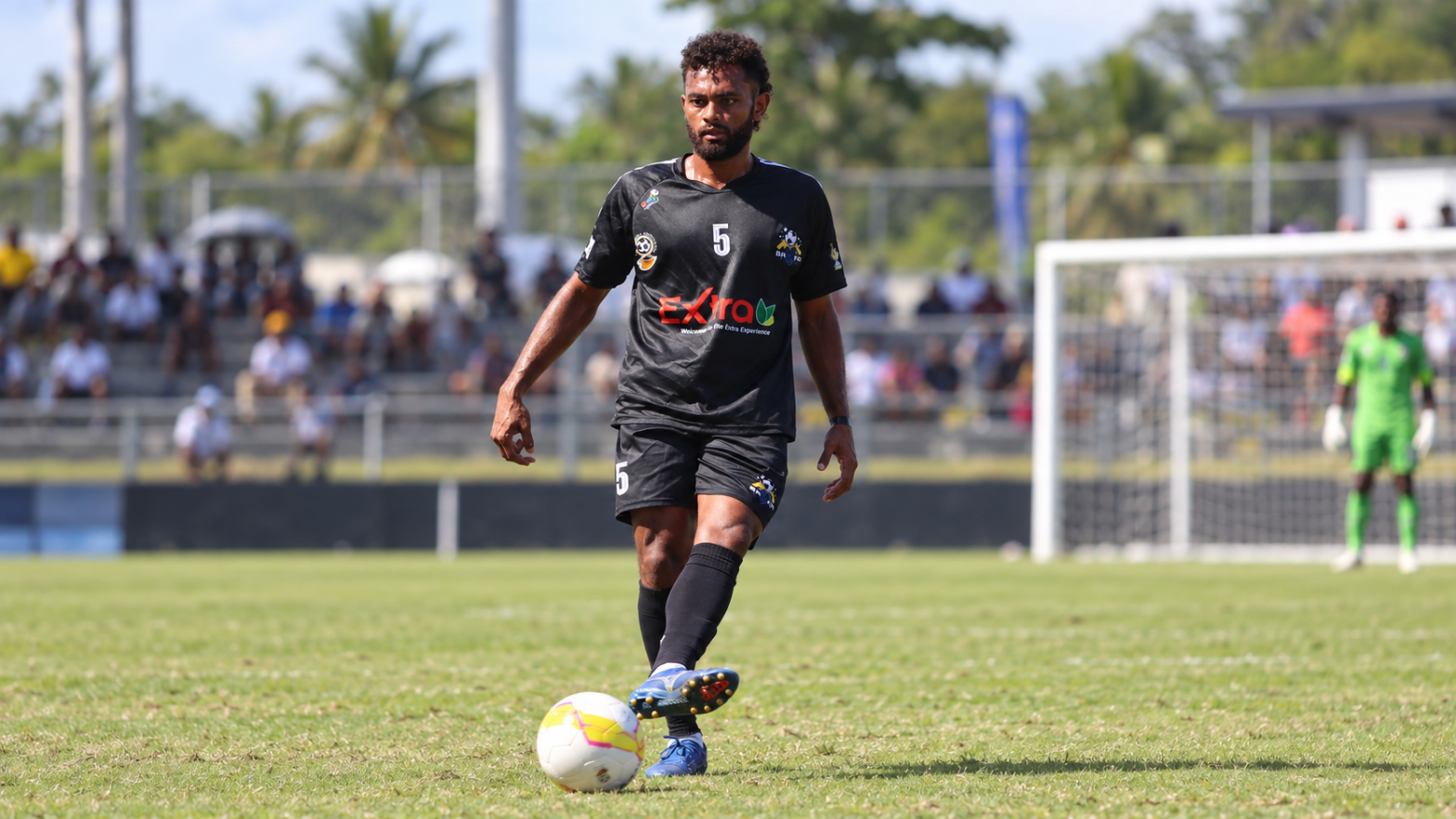
Patrick Joseph has emerged as one of the most discussed omissions from Stéphane Auvray’s Fiji squad for the 2026 MSG Prime Minister’s Cup, with a number of local supporters questioning why the Ba midfielder was left out after a strong Battle of the Giants campaign.

Fiji confirmed a 20-man squad for the tournament this week, with Auvray selecting a mix of established internationals and younger players as the Bula Boys prepare for another regional challenge. Roy Krishna, Tevita Waranaivalu, Thomas Dunn, Scott Wara, Nabil Begg and several other familiar names were included, but Joseph was not among them.

The decision quickly became a talking point among Fijian football supporters, especially after Joseph’s performances for Ba during their title-winning Battle of the Giants campaign. Several fans publicly described him as one of the standout players of the tournament and argued that his form should have earned him a place in the national squad.

The reaction is notable because Joseph is not an unfamiliar name in the Fiji setup. He has previously represented the Bula Boys and has already been involved with the national team in earlier cycles, including previous MSG Prime Minister’s Cup selections.

His club situation has also changed significantly during 2026.

Joseph started the season with Rewa before moving to Ba in June as the Men in Black strengthened their squad for the major domestic competitions. The switch placed him in one of the strongest teams in Fiji this season and gave him another opportunity to establish himself in a side competing regularly for trophies.

Ba went on to enjoy an outstanding campaign, winning the Extra Premier League, the Fiji FACT and, most recently, the Battle of the Giants. Their BOG triumph came with a 2-1 victory over Rewa in the final at Govind Park.

Joseph featured throughout Ba’s BOG campaign and his omission therefore attracted even more attention among supporters who believe recent domestic form should carry significant weight in national-team selection.

The comments following the squad announcement repeatedly centred on the same question: why was one of Ba’s most influential tournament performers not selected?

One supporter described Joseph as the most impressive player at the BOG, while others called him one of Fiji’s leading midfielders and argued that his performances warranted inclusion. Those views remain fan assessments rather than an official evaluation from the Fiji coaching staff, but the number of similar reactions has made Joseph’s absence one of the main talking points surrounding the squad.

Auvray has, however, given some indication of the broader thinking behind his selection.

The Fiji coach has spoken about using the MSG Prime Minister’s Cup to build combinations within a relatively young group and to continue expanding the pool of players available to the national team. His selections have generally reflected a balance between immediate competitiveness and longer-term development.

That approach has been visible since he took charge.

Auvray has consistently used international camps and friendlies to assess players he had not previously worked with, while also introducing younger footballers into the senior setup. The MSG Cup is therefore not only about results, but also about identifying combinations and individuals who can remain part of the national-team picture in the coming years.

Even so, Joseph’s omission stands out because his profile appears to fit several of the qualities Fiji may need in a demanding regional tournament: senior international experience, domestic form and familiarity with high-pressure matches.

There has been no public indication that Joseph is unavailable through injury, and Auvray has not, at the time of publication, specifically explained why the Ba midfielder was omitted.

That leaves the debate open.

Squad selection ultimately belongs to the coach, and strong club form does not automatically guarantee an international place. Tactical fit, fitness, age profile, training performance and the broader direction of the team can all influence decisions that are not visible from the outside.

But Joseph’s case has clearly resonated with supporters.

After helping Ba through another successful tournament and establishing himself as an important figure in one of Fiji’s strongest domestic sides, his absence from the MSG Cup squad has become one of the first selection decisions of Auvray’s latest campaign to generate real public debate.

Whether that debate changes anything remains to be seen.

For now, Fiji move into the MSG Prime Minister’s Cup with their chosen 20 players, while Patrick Joseph remains outside the squad — and, judging by the reaction across the local football community, very much inside the conversation.

Squad complete, identity clearer: how Wellington Phoenix are shaping up for their 20th A-League season

After a long off-season rebuild, the Wellington Phoenix finally have something close to a complete picture of what Chris Greenacre’s first full season in charge will look like.

The deadline-day additions of American attacking midfielder Bryce Duke and Australian defender Walter Scott have taken the Phoenix to a 21-player contracted squad for the 2026/27 A-League Men season. Their arrivals came only two days after Scottish midfielder Max Anderson joined from Crawley Town and completed a late recruitment push that has significantly changed the complexion of the team.

It is not simply a matter of adding numbers. Wellington have replaced their leading goalscorer, changed goalkeeper, lost one of the most experienced defenders in the club’s history and moved away from several attacking midfielders who were regulars last season. At the same time, the type of players brought in suggests Greenacre has been constructing a squad specifically for the system he began implementing after taking over from Giancarlo Italiano in February.

The result is a Phoenix side that looks deeper through the centre of the pitch, has several different options at striker and appears increasingly suited to a narrow formation in which the fullbacks will be responsible for providing much of the width.

The final pieces arrive

Bryce Duke is perhaps the most revealing of the late additions. The 25-year-old has spent his entire senior career in North America, representing Los Angeles FC, Inter Miami, CF Montréal and most recently San Diego FC. He brings extensive MLS experience to Wellington and arrives specifically to fill the creative midfield role Greenacre had been seeking.

The Phoenix coach has highlighted Duke’s technical quality, creativity and ability to unlock defensive lines with his passing. Those characteristics matter because Wellington lost Ramy Najjarine, Sander Kartum and Sarpreet Singh during the off-season, while Luke Brooke-Smith’s move to Portsmouth removed another player capable of advancing the ball individually.

Duke is not arriving after a season of heavy football, however. His playing time for San Diego in the 2026 MLS season was limited, so his first weeks in Wellington may be as much about building rhythm and familiarity as adapting to a new league. His overall experience nevertheless provides Greenacre with something that was still visibly missing from the squad at the beginning of September: a specialist attacking midfielder capable of receiving between the lines and creating rather than simply carrying the ball forward.

Walter Scott addresses a different issue. The 26-year-old spent the 2019/20 season with Wellington before rebuilding his career in Australia and eventually making 49 appearances for Macarthur across A-League and continental competition. He was also part of their Australia Cup-winning squad in 2024.

Scott returns as considerably more than the inexperienced backup to Liberato Cacace that left Wellington six years ago. He can compete with James McGarry at left back while also providing cover elsewhere across the defence. That versatility becomes particularly useful in a squad that has lost Tim Payne, whose transfer to Paraguayan giants Club Olimpia removed 149 matches of Phoenix experience from the right side of the backline.

Max Anderson, meanwhile, offers another profile Greenacre did not previously possess in abundance. The 25-year-old Scot describes himself as a box-to-box midfielder, and his career supports that description. After coming through Dundee and making 94 first-team appearances for the club, Anderson spent two seasons with Crawley Town. He played 39 League One matches in 2024/25 and another 20 in League Two last season, contributing two goals and an assist in the latter campaign.

He is unlikely to be Wellington’s primary creative source. His value should instead come through running, physical presence, supporting attacks and covering ground when the team loses possession. In that sense, Anderson could prove particularly compatible with both Alex Rufer and Fin Roa Conchie.

A much bigger rebuild than it first appeared

Wellington are coming from an eighth-place finish in 2025/26, but even that final position does not fully explain how turbulent the campaign became.

Italiano resigned after the 5-0 home defeat to Auckland FC in February, leaving Greenacre to take control of a side whose season appeared to be collapsing. The former Phoenix striker produced four victories from his eight matches in charge and briefly revived Wellington’s finals chances, including a three-game winning streak and a notable 1-0 victory away to Melbourne Victory.

There were still reminders of the work required. Melbourne City beat the Nix 2-0 and the campaign finished with a poor 4-0 defeat at Macarthur. Nevertheless, Greenacre had shown enough to earn the permanent position and, more importantly for the coming season, had begun changing the way the team played.

The subsequent turnover has been considerable. Ifeanyi Eze departed after scoring 10 league goals and sharing the player of the season award with Rufer. Payne left for Olimpia. Josh Oluwayemi, Paulo Retre, Carlo Armiento, Manjrekar James, Dan Edwards, Luke Supyk and Nikola Mileusnic were among those released, while Najjarine, Kartum and Singh also moved on. Brooke-Smith, one of the most exciting young players produced by the club in recent years, was transferred to Portsmouth.

In their place have come James McGarry, Henry Gray, Rafael Durán, Riley Bidois, Anderson, Scott and Duke. Rufer, Kazuki Nagasawa and Roa Conchie have also been retained, giving Greenacre an experienced central core around which to work.

McGarry is an important part of that reconstruction. The 28-year-old returns after starting 24 of Brisbane Roar’s 26 league games last season, scoring once and registering three assists. His comments upon signing were especially revealing: Greenacre had spoken to him about having the freedom to advance down the left and deliver balls into the attacking area. That gives an early indication of where much of Wellington’s width may come from.

How deep is this Phoenix squad?

Goalkeeper is probably the most open position. Henry Gray has returned on loan from Ipswich Town after several years developing in England, while Alby Kelly-Heald and Eamonn McCarron remain at the club. McCarron made six A-League appearances last season despite beginning the campaign outside the contracted first-team group and produced clean sheets away to Brisbane and Sydney.

There is talent there, but not an established veteran number one. Gray has international age-group experience and time in the English system, Kelly-Heald has A-League experience and McCarron has already demonstrated that he can handle senior football at 18. Greenacre and returning goalkeeper coach Paul Gothard therefore have genuine competition for the position, although whichever option emerges will still be relatively inexperienced compared with many starting goalkeepers around the league.

The defensive depth looks considerably more flexible. Bill Tuiloma and Isaac Hughes can form the central partnership, with Lukas Kelly-Heald providing a naturally left-sided alternative. McGarry and Scott give Wellington two senior left-back options, while Kelly-Heald can also play there. Matt Sheridan is the most natural candidate on the right after Payne’s departure, with Xuan Loke another option and Scott’s versatility potentially providing emergency cover. Young Jayden Smith further increases the numbers.

The loss of Payne should not be underestimated. Wellington have replaced the depth around his position, but replacing his accumulated experience is a different challenge. Sheridan has been developing towards this opportunity for several years and Greenacre regularly used him at right back while coaching in the academy system. The coming season could therefore represent the point at which the 22-year-old is asked to establish himself rather than merely cover several positions.

Midfield may be where the squad has changed most dramatically. Rufer remains the captain and reference point, Nagasawa was the only Phoenix player to start all 26 league matches last season and finished with three goals and four assists, while Roa Conchie has specifically spoken about returning permanently to his preferred number six role.

Anderson now supplies the running power around them, Duke adds a genuine attacking midfielder and Anaru Cassidy gives Greenacre another young central option. There are combinations available for different situations: Rufer and Anderson could offer a balance between control and mobility, Rufer and Roa Conchie could provide a more positional pairing, while Anderson’s legs could allow either of the deeper midfielders to be rested without completely changing the team’s structure.

Further forward, Wellington have replaced one 10-goal striker with several different possibilities rather than a direct copy.

Rafael Durán is expected to operate primarily as a number nine after spending much of last season out wide for Macarthur. He still recorded four goals and two assists in 24 appearances and has described himself as a mobile striker who prefers running behind defenders rather than permanently occupying the penalty area.

Riley Bidois provides almost the opposite profile. The returning academy graduate developed into a physical focal point during his time in the United States. He produced nine goals for Loudoun United in 2025 and had already scored four times in the USL Championship for Monterey Bay this year before returning to Wellington on loan. His ability to occupy centre-backs, compete for direct balls and hold possession gives Greenacre a traditional reference point in attack.

Then there is Corban Piper. One of the clearest tactical changes after Greenacre took charge last season was Piper’s conversion into a regular striker alongside Eze. Rather than treating him merely as a utility player, Greenacre used his physicality, movement and willingness to contest difficult balls to disrupt defenders. Nathan Walker completes the attacking group and can give Wellington another more mobile option.

The challenge is obvious: Eze’s 10 goals have disappeared. The positive is that Wellington no longer appear dependent on one particular type of striker.

A 4-2-2-2 built around central numbers?

Greenacre has not committed himself publicly to one fixed formation for the new season, but his eight games in charge last year and the profile of the recruitment provide considerable clues.

Italiano had frequently used three centre-backs and wingbacks. Greenacre simplified the defensive structure, moved to two centre-backs and generally used a back four. More significantly, Piper was pushed into attack alongside Eze rather than being retained as a wide defensive player.

That structure often resembled a 4-2-2-2 or narrow 4-4-2, and the current squad may actually be better constructed for it than the one Greenacre inherited.

A possible first-choice team could have Gray or Alby Kelly-Heald in goal; Sheridan, Tuiloma, Hughes and McGarry across the defence; Rufer alongside Anderson in central midfield; Duke and Nagasawa operating in the two inside attacking positions; and Durán partnered by either Bidois or Piper.

Roa Conchie could easily force his way into that midfield, particularly if Greenacre wants a specialist holding player. Scott provides serious competition for McGarry and extra defensive flexibility, while switching between Bidois and Piper changes the nature of the forward line without requiring the formation to change.

The attraction of such a system is what it could do centrally. Duke and Nagasawa can occupy the spaces between opposing fullbacks and centre-backs rather than being asked to stay wide. Rufer can organise possession behind them, Anderson can make forward runs from deeper areas and two strikers can occupy both centre-backs simultaneously.

Durán could be especially interesting in that structure. If Bidois or Piper comes towards the ball and engages one defender, Durán has the speed and movement to attack the space created beyond them. Duke’s passing becomes particularly useful in exactly those moments.

The width would instead come from McGarry and Sheridan — or Scott — advancing from fullback. McGarry was explicitly recruited with the freedom to attack the left side, and having two narrow attacking midfielders creates the space for the fullbacks to overlap outside them.

There is a trade-off. If both fullbacks advance simultaneously, Wellington will need Rufer, Anderson or Roa Conchie to protect the spaces left behind. Opponents with dangerous wide transitions could target those channels. The lack of several natural senior wingers also means the Phoenix may have to change personnel or structure if a match demands someone holding the touchline and consistently beating a defender one-on-one.

That is one reason Duke is such an important signing. Without him, Nagasawa would have carried a large proportion of the responsibility for connecting midfield and attack. With both available, Wellington can potentially place one creative player in each half-space and make it much harder for opponents simply to close the centre.

Out of possession, the same shape can become a conventional 4-4-2. The two forwards can direct opposition build-up towards the outside while Duke and Nagasawa recover alongside the central midfield pair. Greenacre’s comments since taking over have repeatedly stressed organisation, work rate and bravery both with and without the ball, rather than possession simply for its own sake.

When appointed permanently, he made his attacking intentions clear: “I want to see an exciting brand of football where we create a lot of opportunities going forward.”

The squad he now has suggests that will mean attacking with numbers through the centre rather than returning to the wingback-heavy structure of the previous regime.

What can the friendlies tell us?

Pre-season results require particular caution this year because Wellington’s squad has been assembled relatively late.

The first reported senior hit-out ended in a 6-2 win over Wellington Olympic in August. The sides met again publicly at NZCIS on September 5 and produced a very different result, drawing 0-0.

On the surface, going from six goals against Olympic to none may appear strange, but neither game provides a clean picture of the team that will start the A-League. The first took place before Durán had properly joined the group. The second provided supporters with their first public look at the Mexican striker, but Bidois had only just returned to the club, Anderson was still nine days away from being announced and Duke and Scott would not become Phoenix players until September 16.

In other words, Wellington’s final attacking structure has not yet been publicly tested together.

That matters even more because 2026 is the first year Wellington have been excluded from the Australia Cup. Instead of having competitive knockout matches during the winter, Greenacre has been able to conduct a longer and more controlled pre-season, but at the expense of meaningful competitive football.

The 0-0 with Olympic therefore should neither be dismissed nor treated as an indication that Wellington will struggle to score. It showed that the work in possession is not finished. It also came before the arrival of the player specifically recruited to solve the lack of creativity in central areas.

The more revealing part of pre-season will be what happens once Anderson, Duke and Scott are integrated and Greenacre can field something close to his intended starting side against stronger opposition.

The questions that will define Wellington’s season

There is considerably more positional balance than there appeared to be even a month ago, but several questions remain.

The first is goals. Eze reached double figures last season and Wellington need to replace that production. Durán has the profile to improve upon the four goals he scored at Macarthur now that he is back in his preferred position, while Bidois arrives after becoming a more accomplished striker in the United States. Piper gives Greenacre another trusted option. Whether that becomes enough production across an entire A-League season will be one of the central stories of the campaign.

The second is how quickly Duke becomes the creative reference Wellington expect him to be. His recent MLS minutes have been limited, but his background is unusual for a Phoenix signing and the squad appears specifically designed to give him central areas in which to operate.

The third concerns the right side of defence. Payne had become almost automatic when available. Sheridan now has an opportunity to make the role his own, but he and Loke will be asked to replace a player who had accumulated seven seasons of understanding with Rufer and the rest of the Phoenix defensive unit.

Then there is goalkeeper. Wellington may have three credible candidates but they do not have an established A-League number one entering the season. That competition could produce a breakthrough player, but it remains an area where certainty has to be earned on the pitch.

A revealing start to the 20th season

The Phoenix will not have long to establish those relationships once the competition begins.

Their 20th A-League season opens at Hnry Stadium against Melbourne Victory on October 18, deliberately echoing the opponent from the club’s first-ever league match in 2007. Central Coast Mariners then visit Wellington one week later before the Nix travel to Newcastle.

The first New Zealand derby arrives quickly, with Wellington visiting Auckland FC in matchweek four, followed by a home match against Macarthur.

That opening sequence should reveal much more than the local pre-season games. Two home matches give Greenacre an immediate opportunity to establish the type of football he has been talking about, while Newcastle away and the derby at Go Media Stadium will test how well the more aggressive fullback structure works outside Wellington.

The Phoenix squad entering 2026/27 does not look like one built around a single headline signing. Instead, the recruitment has gradually filled specific functions.

Durán provides movement behind defences. Bidois gives them a focal point. Anderson supplies midfield energy. Duke brings the passing and creativity between the lines. McGarry offers attacking width from fullback. Scott provides experience and flexibility. Gray creates competition in goal.

Around them remain Rufer, Nagasawa, Tuiloma, Hughes, Roa Conchie and a significant group of academy-developed New Zealand players who already understand the club.

That may ultimately be the most important difference from a year ago. Wellington finished last season searching for a structure after Greenacre inherited someone else’s squad. He now enters his first full campaign with a group increasingly shaped around his own ideas.

The final pieces have arrived. The next question is how quickly they can become one team.

A small research caveat: I deliberately did not include a result for the proposed Upper Hutt City first-team friendly. I found contemporary reporting that it was scheduled, but I could not verify a reliable senior Phoenix result, and the readily available 1-2 result on August 29 involved the Phoenix reserves in the Central League, not Greenacre’s A-League side.

Seaqaqa make history with first-ever promotion to Fiji’s Premier League

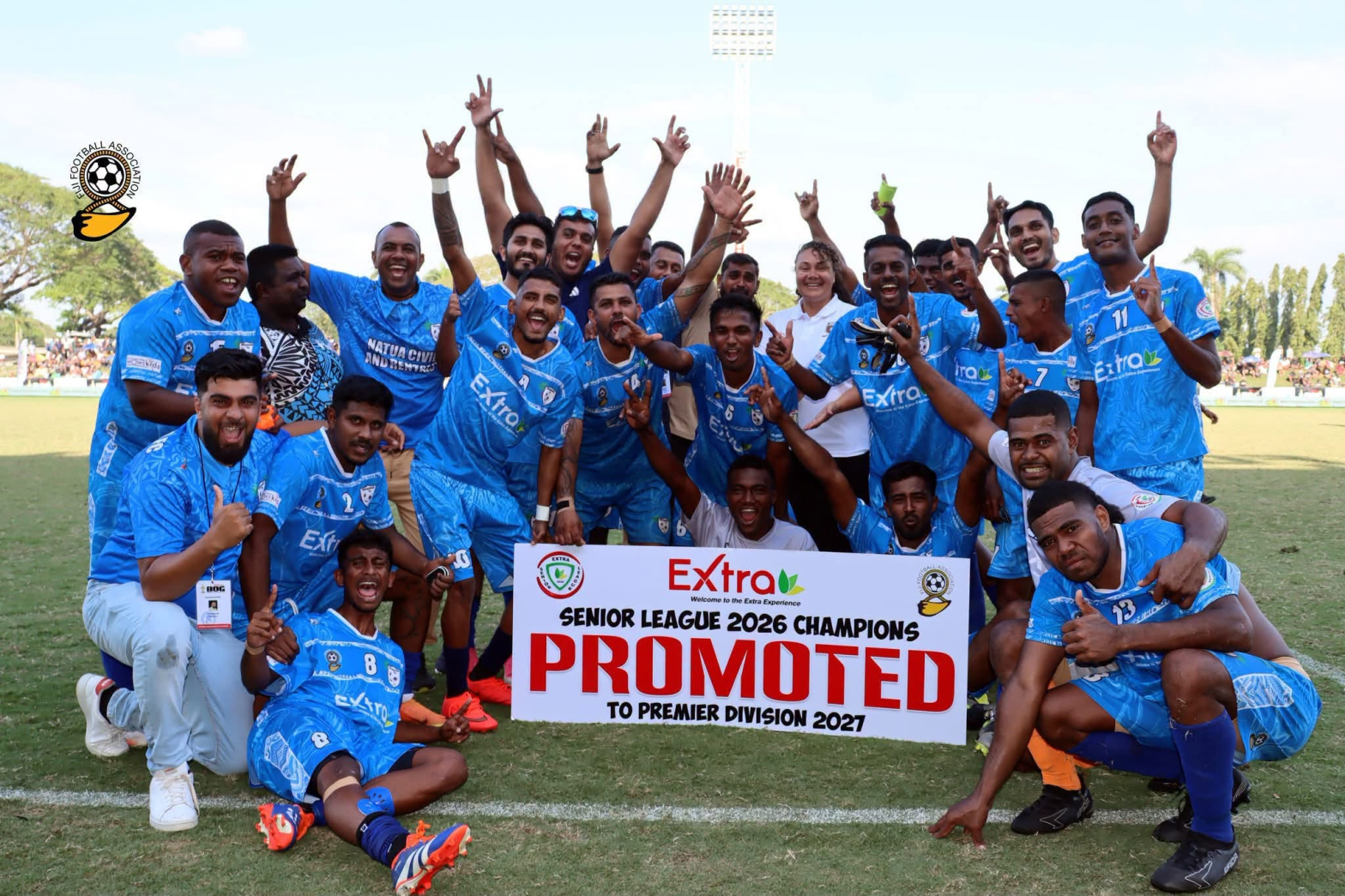
Seaqaqa have achieved one of the biggest milestones in the district’s football history, securing promotion to Fiji’s Extra Premier League for the first time after defeating Tavua 7-6 on penalties at Govind Park in Ba.

The dramatic Extra Senior League play-off finished 2-2 after regulation time, with Seaqaqa recovering from a difficult first half before holding their nerve in the decisive shootout.

Tavua appeared to be moving towards maintaining their place among Fiji’s top teams after goals from Marika Rawasoi and Ratu Dau gave them control of the contest. Seaqaqa, however, produced the response that had eluded the club in several previous attempts to reach the Premier League.

Captain Lisala Bonatoba led the comeback before Mohammed Ishrat also found the net, bringing Seaqaqa level and forcing the promotion contest to penalties. The northern side eventually prevailed 7-6, triggering celebrations after decades of trying to break through from Fiji’s second tier.

The achievement carries particular significance for a club that has been competing since 1981. Seaqaqa have reached play-offs, Senior Division IDC finals and other decisive stages over the years without managing to complete the final step into Fiji’s top division.

Coach Mohammed Imran described the success as an achievement for the entire Seaqaqa community rather than simply the team. He also highlighted the refusal of his players to surrender after falling behind against Tavua.

“We have been trying since 1990 and we have finally done it. These boys have worked very hard and this success did not come easily,” Imran said following the victory.

The result brings a new district into Fiji’s highest domestic level and gives northern football another representative alongside established Premier League side Labasa. For Seaqaqa, the challenge will now change completely: from finally getting into the top flight to preparing a squad capable of remaining there.

Whatever comes next, September 13, 2026 will remain a historic date for the district. After years of coming close, Seaqaqa are finally a Premier League football team.

All Whites name first post-World Cup squad for four-match Asian programme

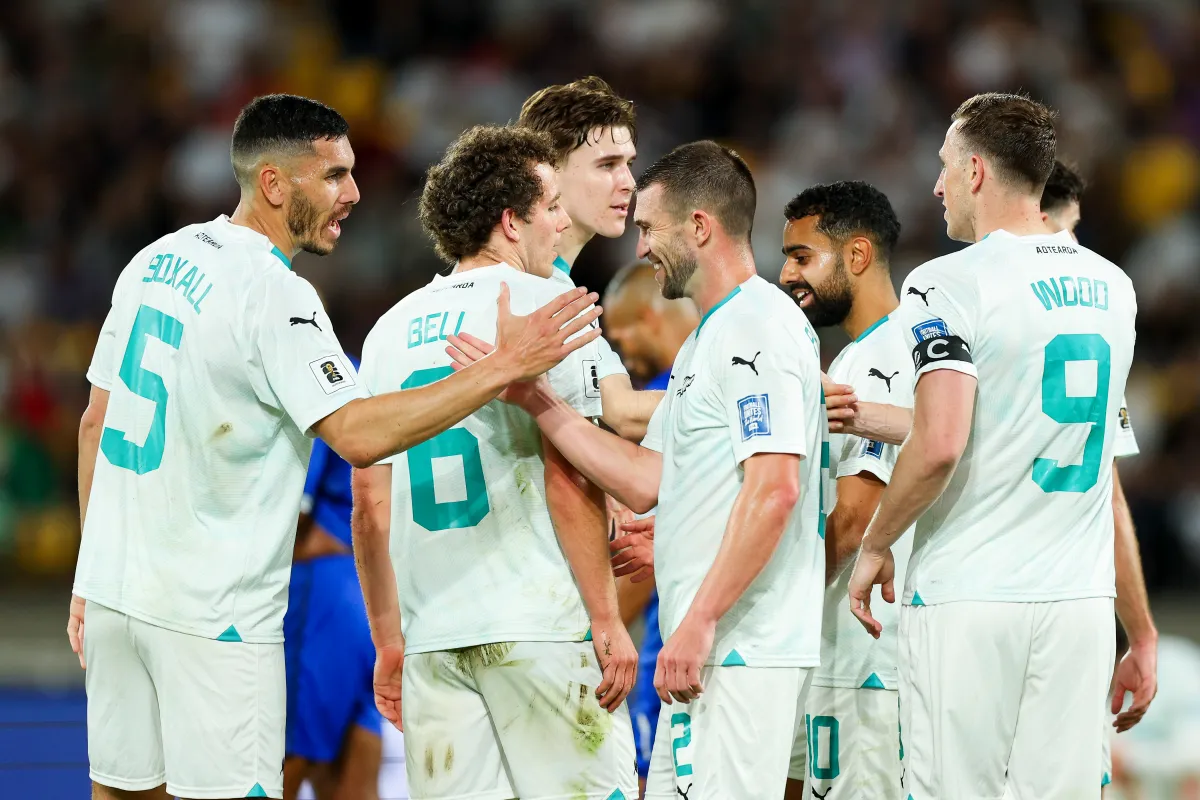
New Zealand have announced their first All Whites squad since the FIFA World Cup 2026, with Darren Bazeley selecting 23 players for matches against Palestine, China PR and Panama before a final Kirin Cup fixture against either Japan or Ecuador.

Sixteen members of New Zealand’s World Cup squad return, including captain Chris Wood and World Cup goalscorers Eli Just and Finn Surman. Bazeley has nevertheless used the first international window of the new cycle to open the door to a number of new and returning players.

The most notable newcomer is Stipe Ukich. The 19-year-old attacker, who has previously represented New Zealand at U-17 and U-20 level, earns his first senior call-up following his performances for NK Istra 1961 in Croatia’s top division.

George Stanger and Henry Gray are also uncapped, while Owen Parker-Price, Sam Sutton, Dane Ingham and Dalton Wilkins return to the international picture. The selection gives Bazeley an opportunity to retain the core that competed at the World Cup while beginning to assess players who could become increasingly important during the next cycle.

New Zealand will first meet Palestine at Tongliang Long Stadium in Chongqing on September 24 before facing China PR at Longxing Football Stadium four days later. The team then travels to Japan for the Kirin Cup, opening against Panama in Yokohama on October 1. Their final match on October 5 will be against either hosts Japan or Ecuador in Tokyo, depending on the first round of results.

The programme gives the All Whites four different international tests in a short period immediately after their World Cup campaign. Bazeley has stressed that winning remains the objective, but the tour also represents an opportunity to continue developing the team rather than treating the World Cup as the end of a cycle.

New Zealand will then return home in November for two matches against India, in Auckland and Christchurch.

Goalkeepers: Henry Gray (Wellington Phoenix, loan), Alex Paulsen (Motherwell, loan), Michael Woud (Auckland FC).

Defenders: Tyler Bindon (Charlton Athletic, loan), Callan Elliot (Auckland FC), Dane Ingham (Sabah), Ben Old (Saint-Étienne), Nando Pijnaker (Auckland FC), George Stanger (Kilmarnock), Finn Surman (Portland Timbers), Sam Sutton (Perth Glory), Dalton Wilkins (Sønderjyske).

Midfielders: Lachlan Bayliss (Auckland FC), Owen Parker-Price (Örgryte), Alex Rufer (Wellington Phoenix), Marko Stamenić (Swansea City).

Forwards: Eli Just (Swansea City), Callum McCowatt (AGF), Jesse Randall (Dundee United), Logan Rogerson (Auckland FC), Stipe Ukich (NK Istra 1961), Ben Waine (Port Vale), Chris Wood (Nottingham Forest).

Solomon Islands name 20-man squad for MSG Prime Minister’s Cup as Cahn begins first competitive test

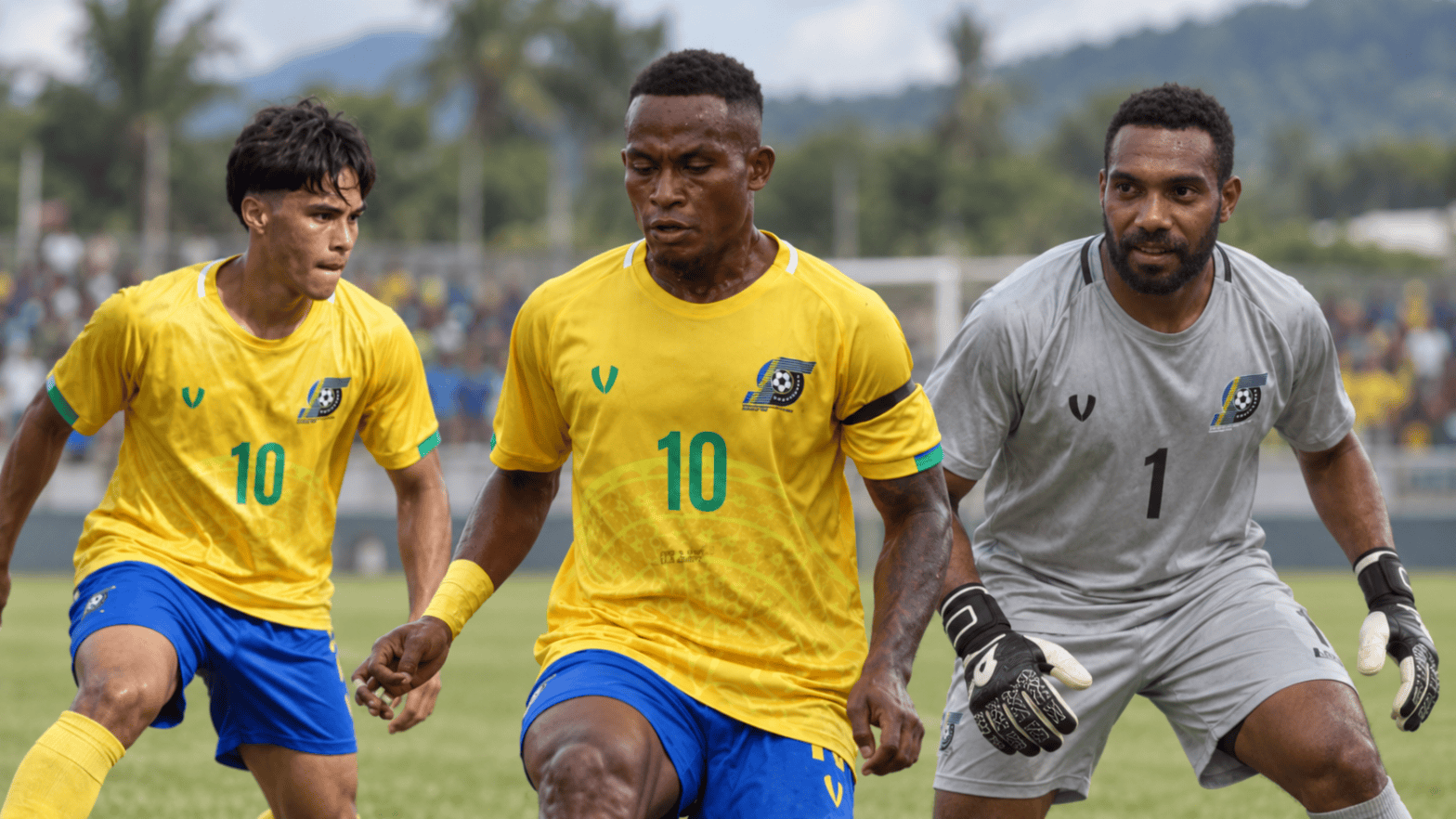
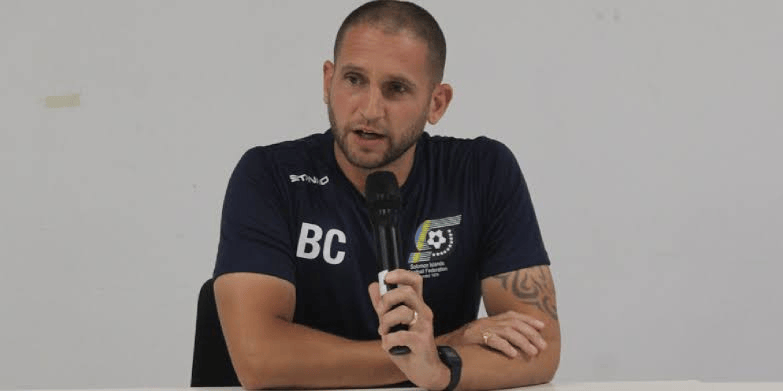
Solomon Islands have officially named their 20-man squad for the 2026 MSG Prime Minister’s Cup in Fiji, with head coach Ben Cahn combining experienced internationals, Solomon Kings regulars, domestic standouts and emerging players as the Bonitos prepare for the first competitive tournament of his tenure.

The tournament will be Cahn’s first official competition since taking permanent charge of the senior national team. He previously led Solomon Islands on an interim basis during the FIFA Series friendlies in Indonesia earlier this year, but the MSG Cup now represents the first competitive step of a much broader project aimed at building towards the 2030 FIFA World Cup.

Speaking to the Island Sun before the final squad was announced, Cahn made clear that the long-term vision does not reduce the immediate expectations in Fiji.

“We go to the MSG Cup and the aim is to win. This competition is our first step towards our national team project and it is something we take seriously,” he said.

Captain Phillip Mango is among the experienced names selected, alongside established internationals such as Javin Wae, Gordon Iro, David Supa, Atkin Kaua, Raphael Lea’i, Bobby Leslie, Don Keana and Fordney Junior.

The influence of Solomon Kings FC is significant, but several players also remain strongly connected to their domestic or current clubs outside the professional setup. Junior David, Javin Wae, Raphael Lea’i, Fordney Junior and Bobby Leslie are all Solomon Kings players who also represent Central Coast FC domestically, while others return from clubs across the S-League and Fiji.

That dual context is important in understanding the squad. Solomon Kings has become an important professional platform for many of Solomon Islands’ leading players, but the country’s domestic clubs continue to provide the foundation from which much of the national-team talent emerges.

David Supa arrives from Ba FC in Fiji, while Don Keana is with Rewa FC and William Komasi represents Navua FC. Gordon Iro, Rooney Riuqaemai and Ali Mekawir are all connected to Green Shield FC, while Atkin Kaua and Calvin Ohasio are with Malaita Kingz. Michael Laulae is with Galaxy FC.

Rovu Boyers provides another different pathway. The midfielder represented South Island United in the inaugural OFC Pro League before joining Christchurch United on loan, giving him recent exposure to the New Zealand domestic game.

The squad also reflects Cahn’s intention to broaden the national-team pool rather than relying solely on established names.

Danford Fiumae remains part of the senior setup after earning his first opportunities earlier this year, while Jayroll Patty steps directly into the senior group after captaining Solomon Islands at the OFC U-19 Men’s Championship in Samoa.

Patty was one of Solomon Islands’ standout performers at the youth tournament and scored a hat-trick against New Caledonia. His inclusion provides another example of the pathway Cahn is trying to create between youth football, domestic football, Solomon Kings and the senior national team.

Before announcing the final group, Cahn and his staff assessed almost 40 players in an extended camp.

“The first purpose was to have a big training camp. We had nearly 40 players, so we could have a look and try to bring the level up,” Cahn told the Island Sun.

For the final 20, however, immediate readiness was decisive.

“For the final squad, we go to the MSG Cup, the aim is to win, so we have to take the players that are most ready at the moment,” he said.

Cahn also confirmed that several new players had impressed during preparations and stressed that places in the national team will not be guaranteed by reputation.

“We’re watching. No one gets the shirt because of a name, they have to earn that,” he told the Island Sun.

That competition for places is expected to become even stronger. Cahn wants to develop a pool of around 50 to 60 players capable of representing Solomon Islands over the next three to four years, drawing from the S-League, overseas football, futsal and the country’s national age-group teams.

The immediate focus, however, remains the MSG Prime Minister’s Cup.

Solomon Islands will begin their campaign against hosts Fiji at HFC Bank Stadium on September 18. Defending champions Vanuatu, Papua New Guinea and New Caledonia complete the five-team competition, which runs until October 3 in Suva.

For Cahn, the tournament is the first competitive checkpoint on the road towards 2030. For the Bonitos themselves, the objective is much closer: win the MSG Prime Minister’s Cup.

Solomon Islands squad — club affiliations

Goalkeepers: Phillip Mango (Solomon Kings FC), Michael Laulae (Galaxy FC), Junior Petua (Solomon Kings FC).

Defenders: Junior David (Solomon Kings FC/Central Coast FC), Javin Wae (Solomon Kings FC/Central Coast FC), Gordon Iro (Solomon Kings FC/Green Shield FC), Clivert Sam, Calvin Ohasio (Malaita Kingz), David Supa (Ba FC).

Midfielders: William Komasi (Navua FC), Atkin Kaua (Solomon Kings FC/Malaita Kingz), Danford Fiumae, Rovu Boyers (South Island United/Christchurch United), Don Keana (Solomon Kings FC/Rewa FC).

Forwards: Raphael Lea’i (Solomon Kings FC/Central Coast FC), Fordney Junior (Solomon Kings FC/Central Coast FC), Bobby Leslie (Solomon Kings FC/Central Coast FC), Jayroll Patty (Solomon Kings FC), Rooney Riuqaemai (Green Shield FC), Ali Mekawir (Green Shield FC).

Two records, one name: questions over Vilitati Kautoga’s BOG registration await Fiji FA clarification

Questions have emerged over the registration of Ba striker Vilitati Kautoga during the 2026 Battle of the Giants after publicly shared material appeared to show two separate player records carrying the same name but different identification numbers, dates of birth and photographs.

The existence of two records does not, by itself, establish that Ba fielded an ineligible player or deliberately registered the wrong footballer. It does, however, create a discrepancy significant enough to warrant clarification from Fiji FA, particularly after Kautoga featured in a tournament eventually won by Ba.

Kautoga was directly involved in Ba’s 2-1 semi-final victory over Suva on September 12. He won possession in the move that led to Etonia Dogalau opening the scoring, before Nabil Begg doubled Ba’s advantage. Malakai Lavecaka later pulled one back for Suva, but Ba held on and subsequently defeated Rewa 2-1 in the final to lift the Battle of the Giants title.

The registration questions were publicly raised by Fiji football follower Nilesh Lal, who shared screenshots that he said showed a mismatch between the player registered for the tournament and the player who actually represented Ba.

One of the screenshots appears to show a Fiji football registration profile for a player named Vilitati Kautoga, with player ID 1799805, FIFA ID 13CJS01 and a date of birth of 22 February 1995. The photograph attached to that record depicts one individual, while the match history visible in the screenshot appears to associate the profile with Ba’s 2026 Battle of the Giants fixtures.

A second screenshot shows another Vilitati Kautoga, this time under player ID 1029687, FIFA ID 12RXCK3 and a date of birth of 20 September 1997. The photograph attached to that profile is visibly different, and the record is associated with Ba’s Premier League activity.

Public football records support the existence of the latter profile. Ba’s Kautoga is identified elsewhere with the September 20, 1997 date of birth, while Fiji FA’s historical match records also show a Vilitati Kautoga representing Tavua before later appearing for Ba. He was listed in Tavua squads several years ago, including during the 2018 Battle of the Giants, and was still playing for Tavua during the first part of the 2025 Premier League season before moving to Ba.

Fiji FA’s public 2025 Premier League statistics add another detail that makes clarification necessary. The goalscorer list contains both “Vilitati Kautoga (Tavua FC)” and “Vilitati KAUTOGA (Ba FC)” as separate entries. That could simply reflect his transfer between the two clubs or the way the competition database handles registrations after a move. It should not be interpreted as evidence that there were two different players involved.

The more serious allegation concerns the Battle of the Giants registration itself.

Lal alleged that Ba registered the player represented by ID 1799805 for the tournament but fielded the footballer represented by ID 1029687. He said the information had been obtained from Suva FA officials. Oceania Football Center has not independently established that allegation as fact.

There is, however, material suggesting that a protest process may have been initiated. A Bank of Baroda transaction receipt circulated publicly records a $300 payment on September 12, with the narration “Protest fee suva v ba semi 26.” Lal later stated that a protest had been filed and the required fee paid.

The receipt supports the claim that a payment labelled as a protest fee was made. It does not, on its own, establish whether Fiji FA formally received the protest, whether it was accepted under the competition regulations, whether an investigation was opened or whether a ruling was subsequently issued.

At the time of publication, OFCe could not locate a public Fiji FA decision or explanation addressing the two Kautoga records.

Fiji football has recent precedent for player-eligibility protests affecting competition results. In September 2025, Fiji FA upheld Nadi’s protest after Navua fielded a suspended player in an Extra Premier League fixture. Nadi were awarded a 3-0 victory and three points, while the matter was also referred for an integrity investigation.

That precedent demonstrates that eligibility issues can have sporting consequences when a breach is established. It does not, however, determine the Kautoga matter. The Battle of the Giants is a separate competition and any decision would depend on the applicable regulations, the registration documentation and the identity of the player who actually took the field.

There are several possible explanations for the material now circulating.

The discrepancy could result from an administrative or database error in which the correct player was attached to an incorrect profile. It could involve duplicate records created for the same intended footballer. But if one player was formally registered for the tournament and a different individual then participated under that identity, the matter would be considerably more serious.

The screenshots alone cannot establish which explanation is correct.

The central questions for Fiji FA are therefore relatively simple: which Vilitati Kautoga profile and player ID were submitted on Ba’s official Battle of the Giants registration? Which identity appeared on the official match documentation? Was the player who took the field the player registered and eligible to participate? Why does the Battle of the Giants record appear different from the profile associated with Kautoga’s Premier League appearances? And, if Suva submitted a formal protest, what decision was reached?

Those questions can be asked without declaring Ba guilty of wrongdoing.

An official clarification would serve all parties involved. Suva are entitled to know whether any formal protest was considered under the competition regulations. Ba, having won the tournament on the field, have an interest in removing doubt surrounding their title if the discrepancy is simply administrative. Kautoga himself also deserves clarity rather than having questions over his identity and registration remain unresolved in public discussion.

Until the relevant registration documents and any Fiji FA determination are made clear, the responsible conclusion is not that Ba fielded an ineligible player.

It is that two materially different records bearing the same name now exist in the public discussion, and Fiji FA is the body best placed to explain why.

Fiji name 20-man squad for home MSG Prime Minister’s Cup as Auvray blends experience and youth

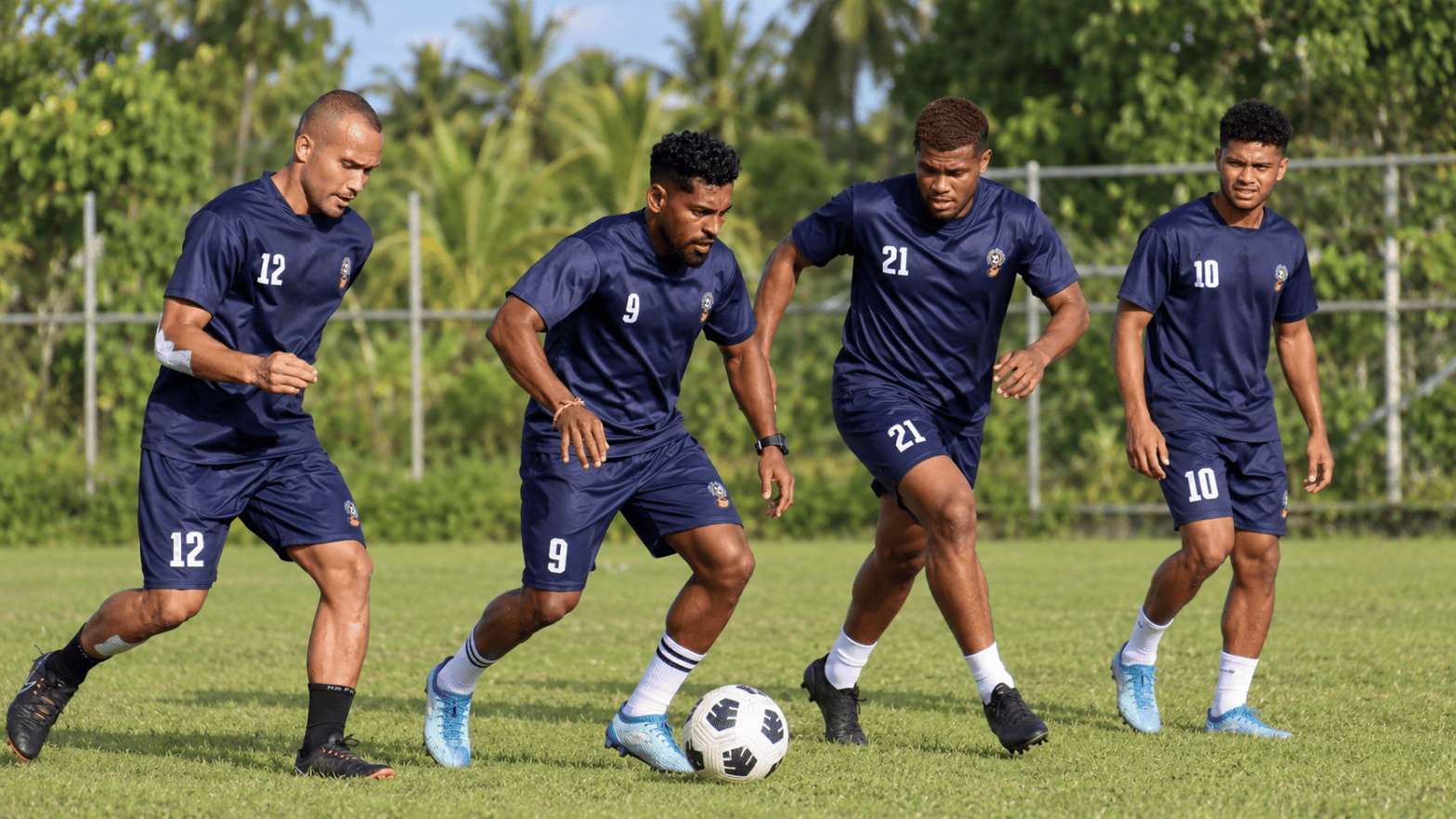
Fiji have named a 20-man Bula Boys squad for the 2026 MSG Prime Minister’s Cup, with head coach Stéphane Auvray combining established internationals with several younger players as the national team begins a new cycle on home soil.

Captain and all-time leading goalscorer Roy Krishna provides the biggest name in the squad, while experienced internationals such as Tevita Waranaivalu, Gabiriele Matanisiga, Sitiveni Cavuilagi, Sterling Vasconcellos and Scott Wara add experience around a group containing several players still establishing themselves at senior international level.

One of the most interesting aspects of the selection is the immediate progression of players involved in Fiji’s OFC U-19 Men’s Championship campaign in Samoa. Ryan Naresh, Maikah Dau and Abdullah Khairati have all been included in Auvray’s senior squad only days after representing the country at the continental youth tournament.

There are also opportunities for players performing strongly in Fiji’s domestic competitions. Ba, fresh from winning the Battle of the Giants, are well represented, while Labasa, Rewa, Navua, Lautoka, Nadi and Nasinu also contribute players. Harang and Wara bring current Australian club experience to the group.

The tournament will be Auvray’s first opportunity to lead the Bula Boys in a senior international competition on Fijian soil. OFC has also placed Fiji’s campaign within a wider rebuilding process towards the next World Cup cycle, giving the competition importance beyond the immediate pursuit of the MSG title.

Fiji remain historically the most successful nation in the old Melanesian Cup, having won five titles between 1988 and 2000, but they have not lifted the regional trophy since that final triumph 26 years ago. The revived MSG Prime Minister’s Cup therefore provides both an opportunity to end that drought and a chance for Auvray to assess the players who could form the core of the national team over the coming years.

The Bula Boys begin their campaign against Solomon Islands at HFC Bank Stadium in Suva on September 18. Papua New Guinea, defending champions Vanuatu and New Caledonia complete the five-team competition, with each nation playing the others once before the top two meet in the final on October 3.

Fiji squad — club affiliations: Isikeli Sevanaia (Ba FC), Joela Biuvanua (Nadi FC), Jone Lalagavesi (Labasa FC), Isimeli Gavidi (Ba FC), Ilisoni Logaivau (Ba FC), Lekima Gonerau (Labasa FC), Scott Wara (Maitland FC, Australia), Sterling Vasconcellos (Lautoka FC), Thomas Dunn (Navua FC), Sitiveni Cavuilagi (Lautoka FC), Ryan Naresh (Ba FC), Tevita Waranaivalu (Rewa FC), Nabil Begg (Ba FC), Faazil Ali (Ba FC), Abdullah Khairati (Sabeto FC, Canada), Maikah Dau (Nasinu FC), Zacariah Harang (Wollongong Wolves, Australia), Gabiriele Matanisiga (Rewa FC), Filipe Baravilala (Navua FC), Roy Krishna (Bula FC).

Ben Cahn sets winning target for MSG Cup as Solomon Islands begin road towards 2030 World Cup

Ben Cahn will take charge of Solomon Islands in his first competitive tournament as senior national team head coach when the Bonitos begin their campaign at the 2026 MSG Prime Minister’s Cup in Fiji, and the Australian-English coach has made clear that the immediate target is not simply development.

Solomon Islands are travelling to Fiji to win.

Cahn first worked with the national team earlier this year as interim coach during the FIFA Series international friendlies in Indonesia, but the MSG Cup will be his first competitive assignment since formally taking charge. Speaking to the Island Sun in Honiara ahead of the tournament, the Solomon Kings FC coach placed the competition within a much wider national-team project while insisting that the short-term objective remains clear.

“We go to the MSG Cup and the aim is to win. This competition is our first step towards our national team project and it is something we take seriously. We’ve put a lot of work in over the last few months,” Cahn told the Island Sun.

The longer-term ambition is considerably bigger. Cahn openly identified qualification for the 2030 FIFA World Cup as the project’s ultimate goal, with Solomon Islands looking to build a deeper and more competitive national-team structure over the next four years.

“The long-term goal and the dream is World Cup 2030, so we’re very serious and working very hard towards trying to do everything we can to achieve that dream of qualification,” he said.

Cahn also pointed to the performances of smaller nations at the most recent World Cup as evidence that the gap can be challenged when the correct structures and standards are put in place.

That process has already started with a significant expansion of the national-team selection pool. Nearly 40 players were involved in the recent training programme before the group was reduced ahead of the MSG Cup.

“The first purpose was to have a big training camp. We had nearly 40 players, so we could have a look and try to bring the level up,” Cahn told the Island Sun.

For Fiji, however, Cahn has prioritised players who are ready to perform immediately.

“For the final squad, we go to the MSG Cup, the aim is to win, so we have to take the players that are most ready at the moment.”

The final group is largely made up of familiar and experienced names, but Cahn has also been impressed by several players attempting to break into the senior setup.

“A couple of new players have done really well and really impressed us. We think they can fit into the team and make the team stronger,” he said.

Two players from the Solomon Islands U-19 side are also expected to join the senior squad directly in Fiji after the country narrowly missed World Cup qualification at the recent OFC U-19 Men’s Championship in Samoa.

That pathway between age-group football and the senior team forms an important part of Cahn’s plan. He also praised the Solomon Islands U-16 side that qualified for the FIFA U-17 World Cup in Qatar and confirmed that some of those players have already trained with the senior national team.

“We’ve had a good look at the U-16 boys who obviously did a great job to qualify for the FIFA U-17 World Cup in Qatar. We’re bringing them in, they’ve done really well, it’s been very positive,” Cahn told the Island Sun.

The intention is eventually to create a much broader group of senior international candidates rather than relying on a relatively small core of established players.

“We want to build the pool of players over the next three or four years to be around 50 to 60 players ready for the national team,” he said.

That pool will not be limited to the current squad. Cahn said players in the S-League, Solomon Islands’ national age-group sides, futsal and overseas football will continue to be monitored, including those who were not involved in the latest camp.

His message to them was particularly direct.

“We’re watching. No one gets the shirt because of a name, they have to earn that.”

That principle represents an important part of the new national-team environment Cahn is trying to create. Selection is intended to be based on current level and readiness rather than reputation, with competition for places expected to increase as the player pool grows.

The MSG Prime Minister’s Cup will provide the first real test of that approach.

Cahn expects a difficult tournament, with the standard across Melanesian football continuing to rise.

“I think the standard is going to be really strong. I think it’s going to be a very tough competition. I think every team will be strong,” he told the Island Sun.

For Solomon Islands, the competition therefore serves two purposes at once. It is the first stage of a four-year project aimed at making the national team significantly more competitive by the time 2030 World Cup qualification arrives, but it is also a tournament Cahn expects his players to try to win now.

That distinction is important. The new project is not being presented as an excuse to postpone expectations.

Solomon Islands have traditionally been one of Melanesia’s strongest football nations, but translating technical quality and individual talent into consistent senior international results has remained a recurring challenge. Cahn’s task is to create a broader competitive environment in which more players are genuinely ready for international football and where places in the team are continuously earned.

His role with Solomon Kings adds another layer to that process. Working directly with the country’s professional club gives Cahn regular access to several players who could form the backbone of the senior national side, while the wider national-team camps allow him to assess talent from the S-League, overseas clubs and Solomon Islands’ increasingly successful youth programmes.

The connection between those different levels could become one of the most important elements of the 2030 project.

For now, though, the focus is Fiji.

The Solomon Islands men’s and women’s national teams are expected to travel together for the MSG Prime Minister’s Cup, which begins on September 17. For Cahn, it will mark the beginning of his competitive tenure with the Bonitos and the first measuring point of a project that is already looking four years ahead.

“The future looks great. I’m really happy to be on board and we’re all working together really hard to see if we can achieve the dream of the World Cup in 2030,” Cahn told the Island Sun.

The dream is 2030. The first competitive test comes now.

New Zealand defeat Tahiti to secure 10th OFC U-19 Men’s Championship title

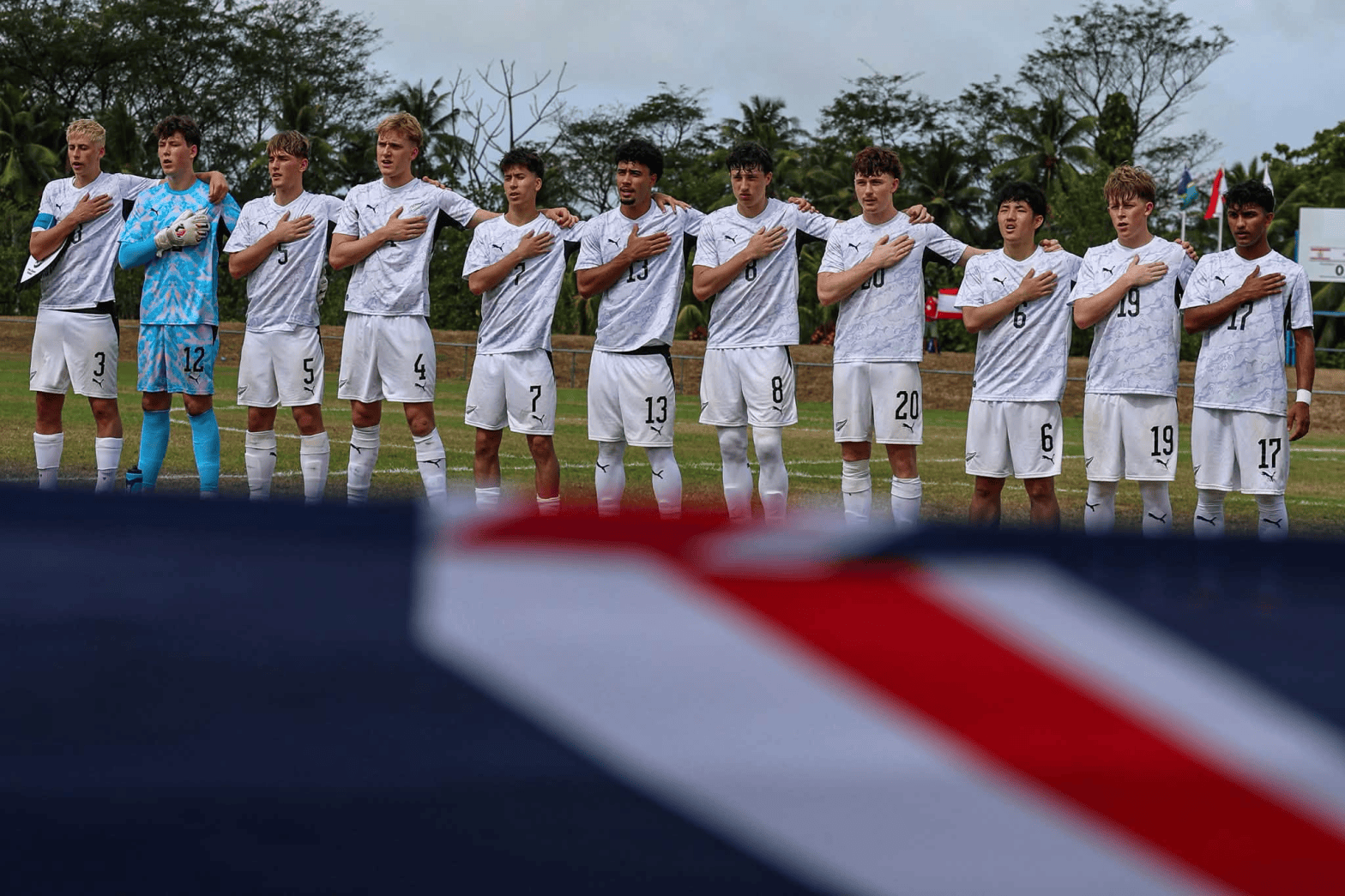
New Zealand have once again been crowned champions of Oceania at youth level, defeating Tahiti 2-0 in the final of the OFC U-19 Men’s Championship at the Samoa Football HQ in Apia.

The Junior All Whites secured their tenth title in the competition and their fifth consecutive crown, although Monday’s final proved considerably more difficult than their first meeting with Tahiti in Samoa. New Zealand had beaten the same opponents 8-0 in the group stage only 12 days earlier, but Tahiti showed how far they had come since that opening-day setback.

Tahiti defended with much greater organisation and kept New Zealand scoreless for almost the entire first half, despite losing Bradley Ruiz to injury early in the match. The breakthrough finally arrived in stoppage time when Dejaun Naidoo delivered a dangerous ball across goal and defender Malo Dieugard, under pressure from Victor Barbosa, turned it into his own net.

New Zealand continued to create the better opportunities after the break, but goalkeeper Nihuau Firiapu kept Tahiti in contention with a number of important interventions. Oliver Grosso was twice denied as the champions searched for a second goal, while Tahiti remained dangerous enough to keep the contest alive and Keahinui Brown went close from distance.

The decisive moment came in the 79th minute. Harley Hill found the net to make it 2-0 and effectively settle the final, completing an impressive individual tournament with his fifth goal. Hill later had another effort ruled out for offside, while Firiapu saved a late penalty to prevent the scoreline from becoming wider.

For Tahiti, defeat did not diminish what had already been achieved. After recovering from their heavy group-stage loss, they eliminated Solomon Islands 2-1 in the semi-final and secured qualification for the FIFA U-20 World Cup 2027. New Zealand had also booked their place at the global tournament by defeating New Caledonia in the other semi-final.

The result leaves New Zealand once again at the top of Oceania’s U-19 level, while Tahiti leave Samoa with a World Cup place and a significantly stronger performance against the champions than their first encounter suggested was possible.

Papua New Guinea name 20-man Kapuls squad for 2026 MSG Prime Minister’s Cup in Fiji

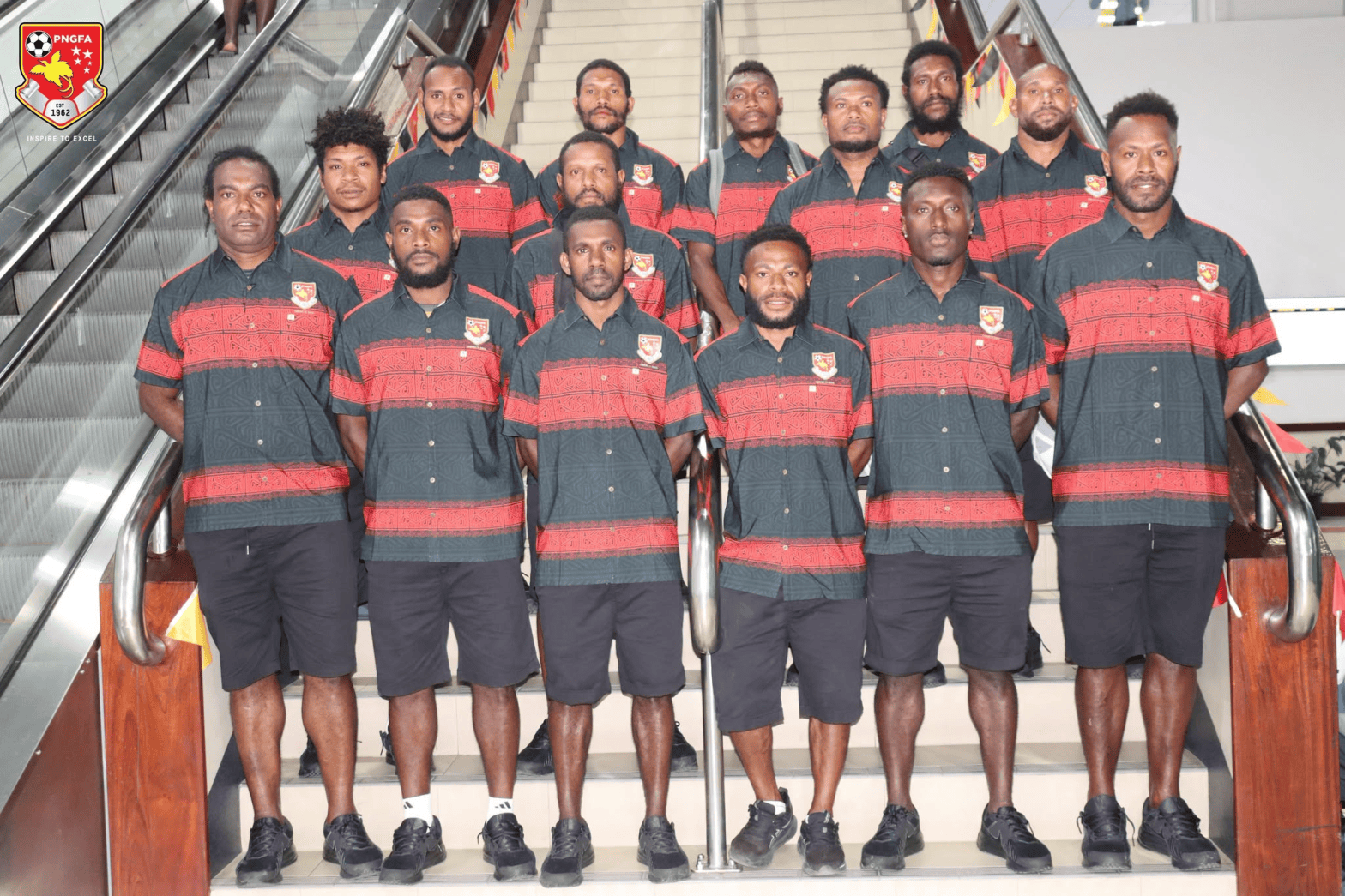
Papua New Guinea have confirmed a 20-man squad for the 2026 MSG Prime Minister’s Cup in Fiji, with head coach Bob Morris combining senior internationals, OFC Pro League players and a younger generation that has emerged strongly through domestic and regional competitions this year.

The Kapuls squad includes experienced names such as Ronald Warisan, Daniel Joe, Yagi Yasasa, Ati Kepo, Oberth Simon and Tommy Semmy, while a number of younger players from Lae City, Morobe Wawens and the national youth setup have also been given their opportunity.

One of the most notable inclusions is Tommy Semmy, who is back in Papua New Guinea football with PNG Hekari after spending several years abroad. His return to the national team gives Morris an experienced attacking option alongside Ati Kepo and a group of younger forwards.

There is a significant PNG Hekari presence in the squad. Goalkeeper Dave Tomare, Daniel Joe, Solomon Rani, Oberth Simon, Ati Kepo and Semmy are all attached to the country’s professional representative in the OFC Pro League. Kepo was one of PNG Hekari’s leading attacking contributors in the inaugural season, scoring three goals and adding two assists.

Rex Naime also remains connected to PNG Hekari but is currently playing in Fiji with Labasa FC. The young attacker has already made an impression in Fijian football this season after moving to the Babasiga Lions, having previously established himself as one of Hekari’s main attacking threats in regional competition.

Lae City are also strongly represented after their recent OFC Men’s Champions League campaign. Goalkeeper Ronald Warisan, defender Langarap Samol, midfielder Abraham Allen and younger players Bomcege Basananuc, David Tita, Solomon Kamake and Nalau Moses all come from the Lae-based club.

That group reflects one of the most interesting elements of the selection. Lae City entered the OFC Champions League with one of the youngest squads in the tournament, and several of those players are now being pushed into the senior national-team environment.

Solomon Kamake and Nalau Moses were particularly impressive during the continental competition. Kamake scored in Lae City’s opening 4-1 win against Tupapa Maraerenga, while Moses was heavily involved in the attacking play and directly contributed to several of the goals.

The squad also includes three players from Morobe Wawens: goalkeeper Jordan Tobem, defender Henry Kurkur and Ferdahlas Namuesh. Ezekiel Vela represents Gulf Komara, adding another domestic pathway into Morris’ selection.

There are also two Australia-based players. Yagi Yasasa remains with Bendigo City in Victoria, where he has now completed his second season in Australian football, while Hossain Kaio is currently based in Brisbane – but yet to confirm which club Kaio is linked to.

For Yasasa, the call-up continues a national-team career that has developed alongside his move overseas. His experience in Australia gives Papua New Guinea another player accustomed to a different football environment, while Kaio adds another overseas-based option to the group.

The balance of the squad suggests the MSG Prime Minister’s Cup will serve both competitive and developmental purposes for Papua New Guinea. Senior players such as Warisan, Semmy, Kepo, Simon and Joe provide an experienced core, while Kamake, Moses, Tita, Basananuc and others are being given an opportunity to establish themselves at senior international level.

Papua New Guinea will travel to Fiji looking to challenge their Melanesian rivals while Morris continues shaping the next version of the Kapuls.

Papua New Guinea squad — 2026 MSG Prime Minister’s Cup

Goalkeepers: Ronald Warisan (Lae City FC), Dave Tomare (PNG Hekari), Jordan Tobem (Morobe Wawens).

Defenders: Langarap Samol (Lae City FC), Ezekiel Vela (Gulf Komara), Bomcege Basananuc (Lae City FC), Henry Kurkur (Morobe Wawens), Ferdahlas Namuesh (Morobe Wawens), Daniel Joe (PNG Hekari).

Midfielders: Abraham Allen (Lae City FC), Yagi Yasasa (Bendigo City FC, Australia), Solomon Rani (PNG Hekari), Oberth Simon (PNG Hekari).

Forwards: Ati Kepo (PNG Hekari), Rex Naime (Labasa FC, Fiji / PNG Hekari), David Tita (Lae City FC), Hossain Kaio (Brisbane, Australia), Tommy Semmy (PNG Hekari), Solomon Kamake (Lae City FC), Nalau Moses (Lae City FC).

Head coach: Bob Morris.